
Blog · AI & Technology
Metal 3D Printing Grows Up: Powder Bed Fusion, AI and the Domains Built for It
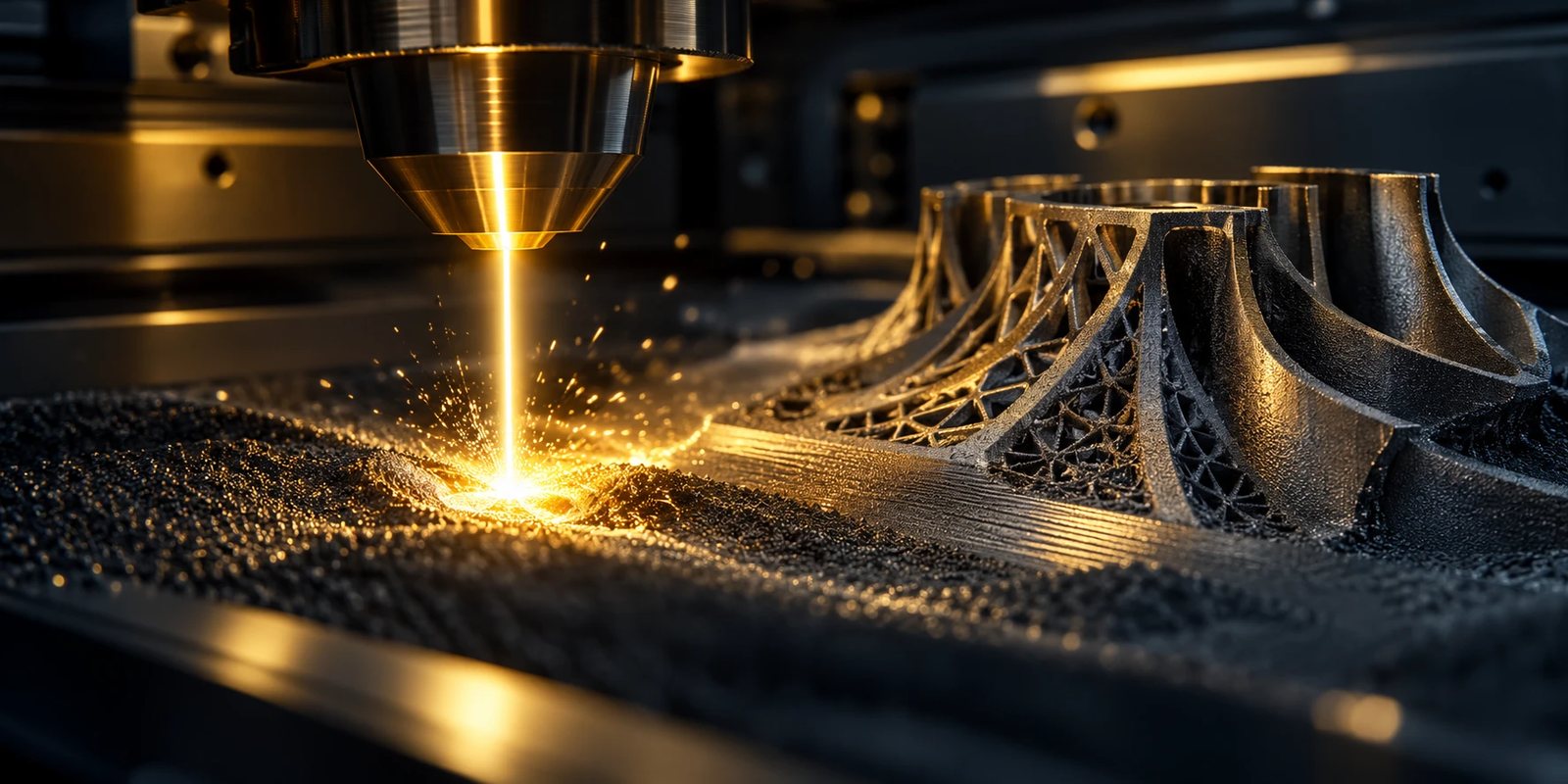
Metal 3D printing has moved from prototypes to parts that fly. The wider additive manufacturing industry reached $24.2 billion in revenue in 2025, up 10.9% on the year, according to the Wohlers Report 2026 (TCT Magazine). One process sits at the centre of industrial metal printing: powder bed fusion.
This article explains the process in plain words, shows where it is already in production, and introduces three domain names built on its own vocabulary.
Figures last checked: October 2026.
1. What powder bed fusion is
A machine spreads a thin layer of fine metal powder, and a laser (or an electron beam) melts the shape of one slice of the part into it. The platform lowers, a new layer of powder is spread, and the process repeats, slice by slice, until the part is complete. When a laser is used, engineers call it laser powder bed fusion, or LPBF. It can build shapes that are impossible to machine, such as internal channels and lattices, and it can combine several parts into one.
2. Already in production
The best-known example is in jet engines. In 2021 GE announced that its Auburn, Alabama, plant had shipped its 100,000th additively manufactured fuel nozzle tip for the LEAP engine, which uses 18 or 19 of them per engine; the plant began producing the nozzles in 2015 (GE Aerospace). In April 2026 Lockheed Martin described how it is using laser powder bed fusion to speed up readiness for aircraft, hypersonic and electric-propulsion programmes (Lockheed Martin).
The market is also maturing in how it is organised. Wohlers reports that additive manufacturing services grew 15.5% in 2025, faster than system sales at 3.6% (TCT Magazine): more companies are buying printed parts from specialist providers rather than owning machines.
3. Where AI comes in
Each build involves thousands of layers, and a defect in one layer can ruin an expensive part. Many machines now carry cameras and sensors that record each layer, and researchers and manufacturers are using machine learning to spot defects during the build, adjust settings and predict quality before a part is inspected (A*STAR review of intelligent defect detection in powder bed fusion). Software that turns this data into decisions is one of the most active areas in the field.
The names
Three names that use the exact terms engineers in metal additive manufacturing search for.
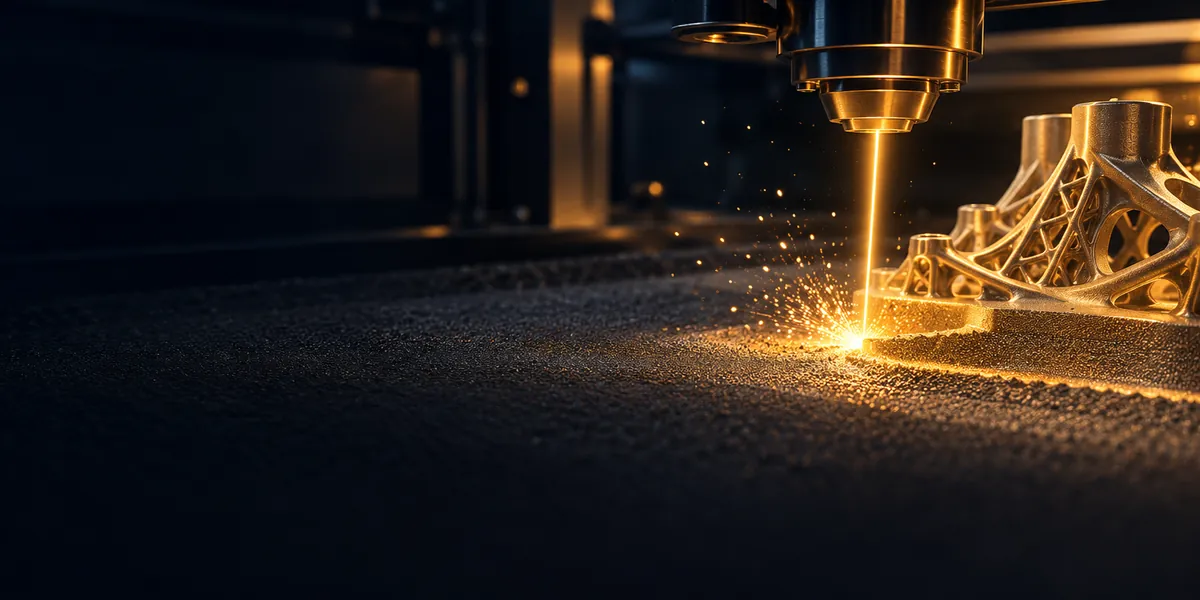
PowderBed.ai
Powder bed fusion: a 3D printing process where a laser or electron beam melts thin layers of metal or polymer powder.
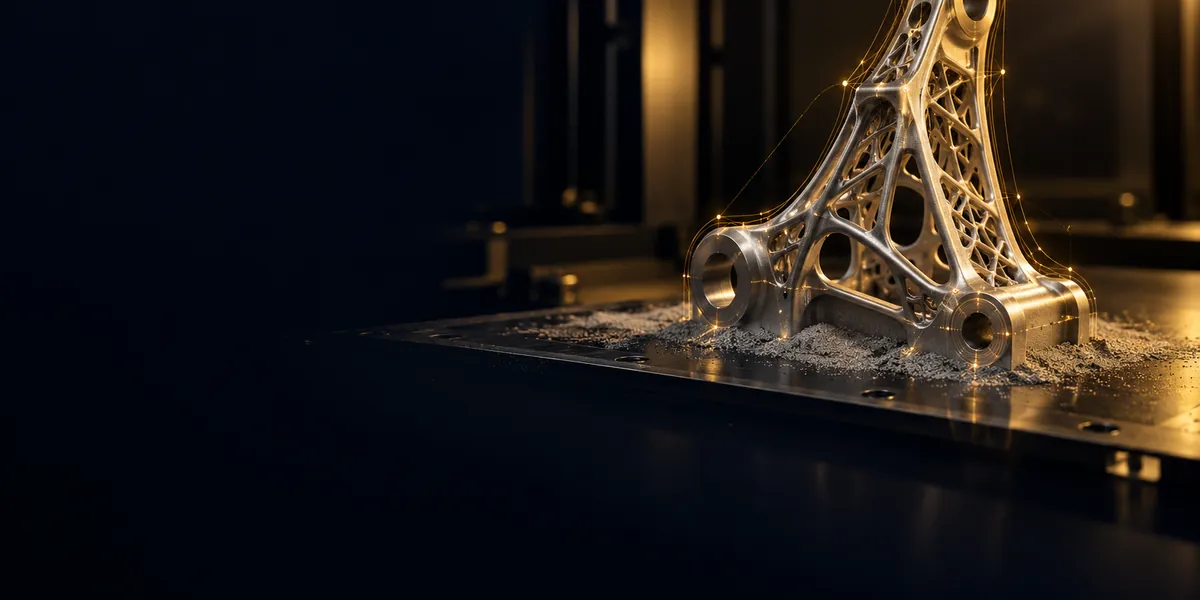
LPBF.ai
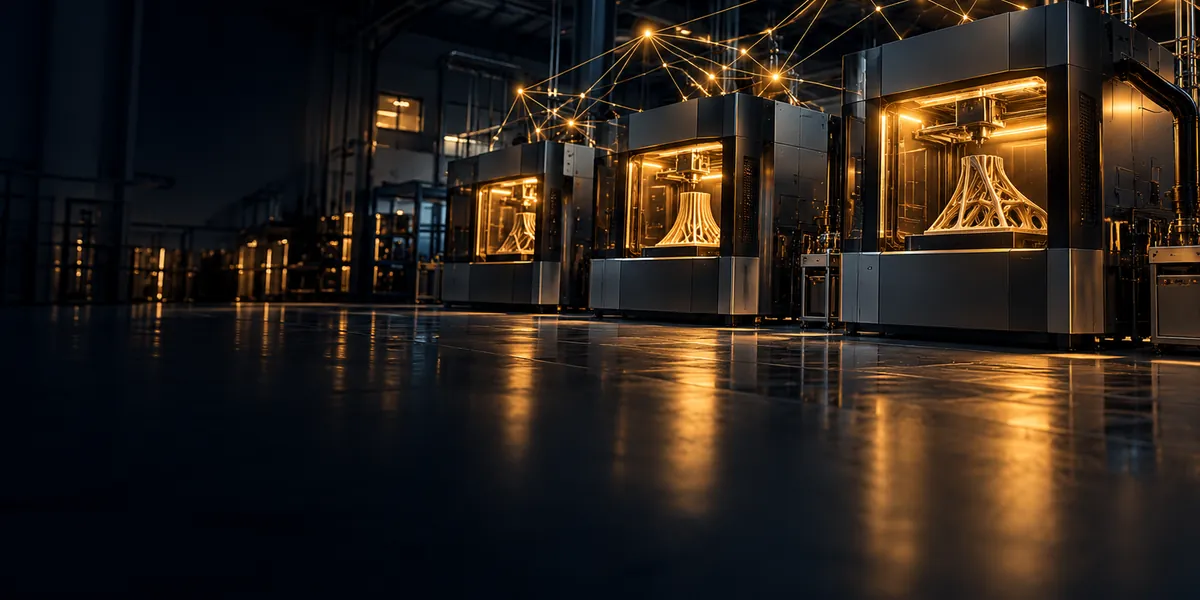
PowderBedAI.com
Powder bed: the thin layer of fine powder spread across the build plate before each layer is melted.
Who these names are for
- Software companies building monitoring, simulation or AI quality control for metal printing.
- Machine makers launching a powder bed product line or a software platform.
- Service bureaus that print metal parts for aerospace, medical and industrial customers.
- Powder and materials suppliers, research labs and training providers in additive manufacturing.
Buy one, or the whole set
PowderBed.ai, LPBF.ai and PowderBedAI.com cover the process name, its abbreviation and the .com version, so one owner can hold the core names of a category. Each can be bought on its own with Buy Now, or you can make one offer for all three using the button below. Direct deals close through Escrow.com, and you will get a personal reply within 24 hours.
Sources
- TCT Magazine: Wohlers Report 2026, additive manufacturing revenues reach $24.2 billion (February 2026)
- GE Aerospace: GE Aviation reaches new milestones in advanced manufacturing (August 2021)
- Lockheed Martin: Accelerating operational readiness with laser powder-bed fusion additive manufacturing (April 2026)
- A*STAR: Towards intelligent defect detection in metal powder bed fusion (review)